
Office Flooring in Ethiopia: Costs, Durability, and What to Avoid
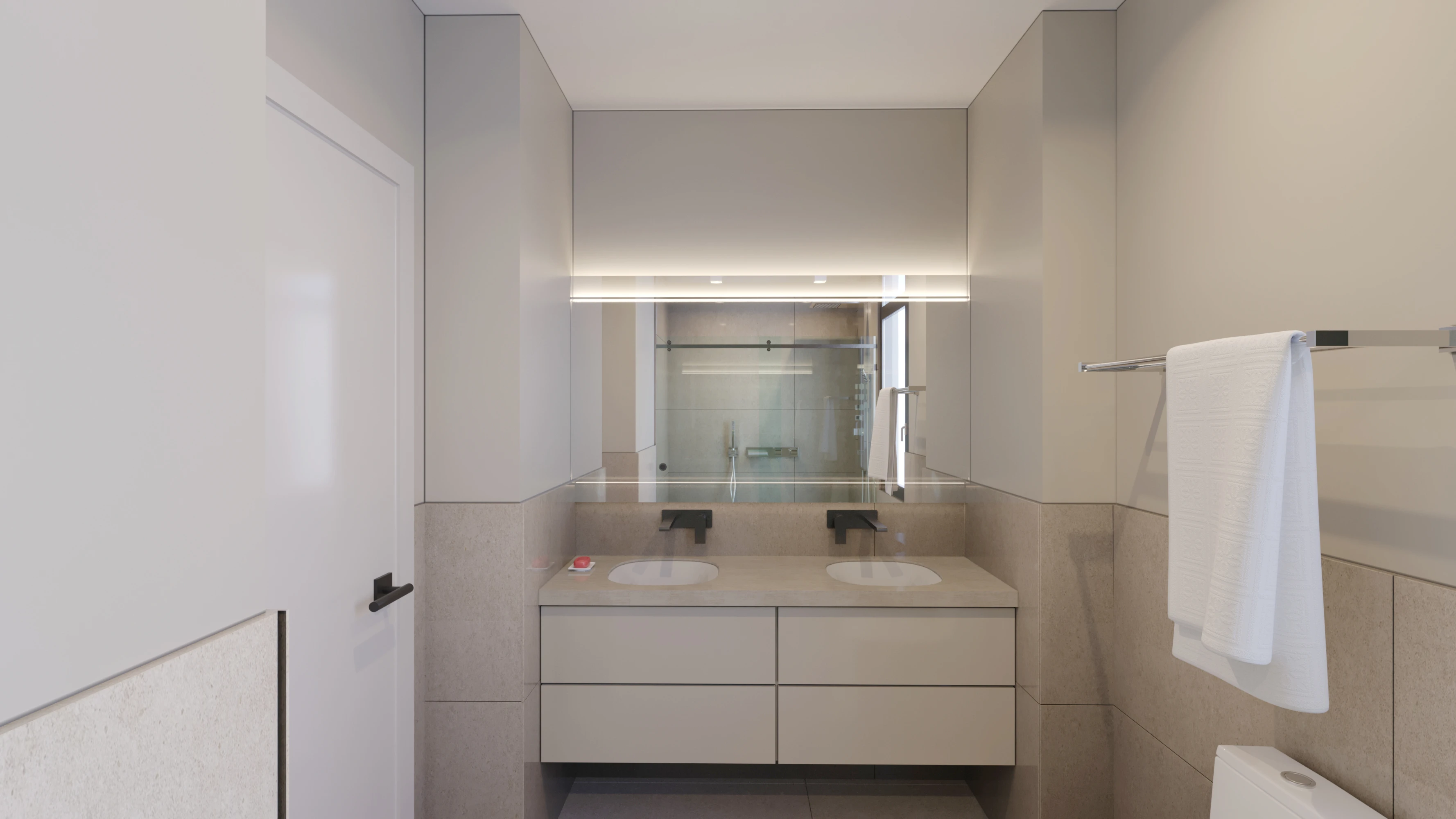
Office Flooring in Ethiopia:
What to Choose and What to Skip.
Flooring is one of those things you stop noticing—until it fails. Tiles crack, carpet stains, vinyl peels. Then you're either living with it for years or paying to redo everything.
After fitting out dozens of offices across Addis Ababa, we've seen what holds up and what doesn't. This guide covers the flooring options actually available in the Ethiopian market, what they cost, how they perform, and where each one belongs in your office.
What's Available in Addis
International flooring guides list dozens of options. In practice, here's what you can reliably source in Ethiopia:
Porcelain Tile
Widely available, locally and imported. The default choice for most commercial spaces.
Ceramic Tile
Cheaper than porcelain, less durable. Good for low-traffic areas.
Vinyl / LVT
Luxury Vinyl Tile. Imported, growing in popularity for offices. Good wood-look options.
Carpet Tiles
Modular squares, easy to replace. Imported, mainly from UAE or Turkey.
Epoxy Coating
Poured resin over concrete. Industrial look, very durable. Local applicators available.
Polished Concrete
Grind and seal the existing slab. Industrial aesthetic, lowest cost if slab is good.
What's hard to find: genuine hardwood, engineered wood (limited stock), rubber flooring, high-end specialty products. These require special import orders with long lead times and high costs.
Price Comparison (Addis Market)
| Flooring Type | Material Cost (ETB/m²) | Installed Cost (ETB/m²) | Lifespan |
|---|---|---|---|
| Ceramic Tile (local) | 400–800 | 800–1,400 | 10–15 years |
| Porcelain Tile (local) | 600–1,200 | 1,200–2,000 | 15–25 years |
| Porcelain Tile (imported) | 1,500–3,500 | 2,200–4,500 | 20–30 years |
| Vinyl / LVT (imported) | 800–2,000 | 1,200–2,800 | 10–20 years |
| Carpet Tiles (imported) | 1,200–3,000 | 1,500–3,500 | 7–12 years |
| Epoxy (applied) | — | 1,500–3,000 | 10–15 years |
| Polished Concrete | — | 600–1,200 | 15–25 years |
Prices as of Q4 2026. Imported products subject to forex fluctuations and customs clearance time.
What to Use Where
Reception & Lobby
First impressions matter. This is where you spend on appearance.
Best choice: Imported porcelain (large format, 60×60 or 80×80) or polished concrete with a feature rug
Budget option: Local porcelain with quality grout work
Open Plan Work Areas
Acoustics and comfort matter here. Hard floors reflect sound; soft floors absorb it.
Best choice: Carpet tiles—easy to replace damaged sections, reduces noise, hides cables
Budget option: LVT with desk-mounted acoustic panels to compensate
Meeting Rooms
Quiet and professional. Carpet helps acoustics; hard floors need rugs.
Best choice: Carpet tiles (darker colors hide wear)
Alternative: LVT wood-look with a large area rug under the table
Executive Offices
Status signaling. Worth the premium if the CEO meets clients here.
Best choice: Imported porcelain (marble-look or premium wood-look) with quality area rug
Alternative: High-end LVT—looks like wood, easier maintenance
Kitchen / Pantry
Water, spills, foot traffic. Durability and cleanability are everything.
Best choice: Porcelain tile with anti-slip finish
Avoid: Carpet (absorbs spills), unsealed concrete (stains), cheap vinyl (peels at edges)
Toilets
Wet, needs frequent cleaning, must be hygienic.
Only choice: Porcelain tile, anti-slip rated (R10 or higher), proper waterproofing underneath
Server Room / IT
Cable management, static control, dust resistance.
Best choice: Raised access floor with vinyl or laminate tiles (allows cable routing below)
Budget option: Epoxy with cable trays along walls
Common Mistakes We See
1. Cheap Grout on Good Tiles
You spent on imported porcelain, then saved on grout. Within two years, the grout is cracking, discoloring, and letting water underneath. Quality epoxy grout costs more but lasts. Budget 15–20% of tile cost for proper grouting.
2. No Subfloor Preparation
Tiles installed directly on uneven concrete crack. Vinyl over dusty concrete peels. Carpet over damp screed grows mold. Proper preparation—leveling, curing, priming—is invisible but essential. Skip it and you'll be replacing flooring in 3 years.
3. Wrong Finish for the Space
Polished porcelain in a kitchen (slippery when wet). Light carpet in a high-traffic corridor (shows dirt immediately). Matte tiles in a showroom (doesn't reflect light, looks dull). Match the finish to the use.
4. No Expansion Joints
Large tile areas without expansion joints crack when temperature changes. Addis has significant day/night temperature swings. Every 6–8 meters needs a movement joint, plus around columns and at doorways.
5. Buying Just Enough
You ordered exactly 200m² for a 200m² space. Two years later, something cracks and that batch is discontinued. Always order 10–15% extra and store it. Finding matching tiles later is often impossible.
Our Recommendation for Most Offices
For a typical 300–500m² office in Addis, here's what we usually recommend:
| Area | Flooring | % of Total |
|---|---|---|
| Reception, corridors, kitchen, WC | Porcelain tile (local good quality) | ~30% |
| Open work areas, meeting rooms | Carpet tiles (mid-range imported) | ~55% |
| Executive offices | LVT wood-look + area rugs | ~15% |
This mix keeps costs reasonable (around 1,500–2,000 ETB/m² average), provides good acoustics in work areas, and still looks professional for clients. The porcelain in high-wear areas lasts decades; the carpet tiles can be replaced in sections as needed.
Budget tip: If you need to cut costs, go with local porcelain everywhere and add area rugs in meeting rooms. You lose some acoustic comfort but save 25–30% on flooring. You can always add carpet tiles later if noise becomes an issue.
Need Flooring
Advice?
Bring us your floor plan and we'll recommend materials, estimate costs, and source samples for you to compare.
Need Professional Finishing?
Request a technical site visit for your office project.